

Introduction
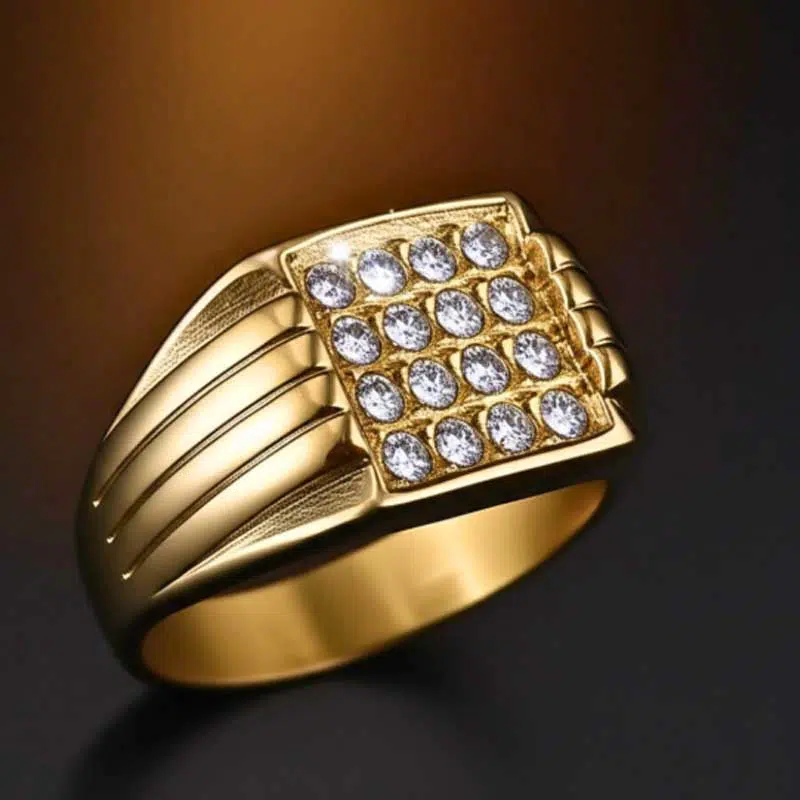
TiN, the acronym for Titanium Nitride, is a hard ceramic formed by the interaction of titanium metal and nitrogen gas under extreme conditions.
It has the same gold-like appearance produced by being plated with real gold or on a pure gold jewelry piece but is from a totally different material class. TiN-coated stainless steel jewelry is currently the most preferred option for jewelry brands because it shows superior longevity, generates much fewer returns from customers, and maintains its golden color much better than regular electroplating.
We’ll talk about everything about titanium nitride tin coating and why it’s a good choice for SS jewelry.
How TiN Bonds to Stainless Steel
Below is the Tin coating process :
- The stainless steel jewelry unit is put inside the vacuum chamber.
- The titanium metal is evaporated using an electric arc (cathodic arc) or a magnetic field (magnetron sputtering).
- The nitrogen gas is pumped into the chamber.
- Ti and N atoms settle on the surface of steel, creating a very thin, super-hard TiN layer.
This differs from electroplating in principle, where a metal layer is on the top base material as a coating and can eventually peel off, flake, or chip. When using PVD, the titanium nitride (TiN) layer bonds directly to the steel surface on an atomic level.
Since there is no gap, this contact is so intimate that nothing, including moisture and air, can part it from the substrate, and this is the reason making it outlast standard gold plating in use.
Stainless steel is an excellent base material for this coating. Its uniform, non-porous surface provides an ideal surface for TiN atoms to bond to. Bonding is improved and more uniform than with softer and more porous substrates. For an extensive comparison of PVD compared to old school binding processes, PVD plating vs electroplating covers all the essential differences.
Performance Metrics
Hardness
The Vickers Hardness (HV) measurement system assigns a number to a material’s ability to resist damage to the material’s surface.
Here are some comparisons of titanium nitride and other materials:
| Material | Vickers Hardness (HV) |
| 24K Pure Gold | 25–70 HV |
| 18K Gold | 125–150 HV |
| 316L Stainless Steel | 200–220 HV |
| TiN Coating | 2,000–2,500 HV |
Titanium nitride (TiN) is approximately fifty times harder than pure gold. That large difference in hardness is why items that have been coated with TiN can withstand daily use over time without showing any significant signs of the scratching that occurs on traditional gold-plated items.
Scratch Resistance
Because TiN has a low coefficient of friction, surfaces move over it without catching and pulling on each other as they do with other materials. Therefore, rings don’t mark up other rings and chains maintain their finish as they come in contact with chains, and clasps will not wear away the coating on PVD-coated pieces. This is why PVD-coated jewelry will last so long.
Corrosion and Water Resistance
TiN resists saltwater, sweat, chlorine, and humidity at a high level. A common question among end customers is whether stainless steel jewelry is actually waterproof — and TiN coating pushes that resistance even further by acting as an additional chemical barrier on the surface. Pieces that see regular water exposure, including pool or ocean use, hold up without degrading.
Aesthetic Versatility
Titanium nitride is available in different shades of gold depending on the nitrogen ratio in the PVD chamber during the application of the TiN coating.
- A lower nitrogen ratio will produce a pale yellow color close to 14K gold.
- A balanced nitrogen ratio will produce a warm yellow color similar to 18K gold.
- A higher nitrogen ratio will produce a very rich, dark gold color that is close to 24K gold.
To create rose gold and dark chocolate/brown colors, manufacturers will add carbon or oxygen to the TiN process to change it to titanium carbonitride (TiCN). This gives a warm, dark color without requiring a complete changeout of the coating system.
The stainless steel surface finish underneath also changes the final appearance significantly:
| Surface Finish | How TiN Looks |
| High-polish | Mirror-bright, intensely warm gold |
| Brushed | Matte gold with visible directional texture |
| Sandblasted | Soft, diffused gold with a frosted quality |
For brands that want to create mixed-finish collections or follow the most recent jewelry trends, TiN provides the possibility of complete control over tone and texture without changing the coating material.
Why Manufacturers Choose TiN
Hypoallergenic Integrity
Surgical stainless steel alloys, such as 316L, have a contained amount of nickel in them, but the TiN coating inhibits nickel leaching by creating an impermeable barrier between the base metal and skin; this makes the item a nickel-free metal piece.
For brands selling to customers who need to do a metal sensitivity test before buying, this gives them a reliable answer. You can also read more on the hypoallergenic nature of stainless steel for further reference.
Eco-Friendly Manufacturing
Traditional electroplating utilizes chemical baths including cyanide, heavy metals, and acids. This waste must be handled as a dangerous material and disposed of through hazardous waste disposal procedures. PVD TiN coatings create no liquid chemical waste as part of their preparation for application.
Longevity vs. Cost
The cost per unit of applying TiN is higher than for conventional gold plating. However, when the return rate is considered, things change:
| Factor | Standard Gold Plating | TiN Coating |
| Upfront cost per piece | Lower | Higher |
| Expected lifespan (daily wear) | 6–18 months | 5+ years |
| Tarnish/fade rate | Moderate to high | Very low |
| Customer return/complaint rate | Higher | Significantly lower |
For companies that want to minimize costs after the sale has occurred, having fewer returns is enough justification for the greater up-front cost of manufacturing.
Identifying Premium TiN Coating
Not all TiN coating is equal. These are the three things to check when sourcing:
Uniformity
Complex geometries – curb chains, hollow pendants, intricate rings – cause “shadowing” issues during PVD. Shadowing happens when vaporized atoms fail to get into the nooks and crannies of a part, leaving bare spots or a thin coating. A quality stainless steel manufacturer rotates and reorients parts throughout the coating process to reduce this. Always request samples and examine the inside and recessed areas of the parts using the light.
The Adhesion Test
The cross-cut tape test is a common industry practice to check the adhesion of a coating:
- The coating has a grid pattern cut into it using a sharp blade.
- Adhesive tape is then stuck tightly over the complete grid.
- Then, a quick pull off of the tape occurs.
- No coating has lifted = good adhesion
Coating Thickness
The appropriate thickness of TiN for use in jewelry is between 0.03 and 0.08 microns.
- Less than 0.03 micron → It will wear down too quickly in day-to-day use.
- Between 0.03 and 0.08 microns → These values represent the best balance of durability and flexibility in use.
- Greater than 1 micron → Will be brittle and likely to crack when being used.
For complete guidance, refer to PVD Coating Thickness for Jewelry.
Maintenance & Consumer Care Instructions
TiN is one of the easiest jewelry coatings to care for, but two rules matter:
Avoid using polishing cloths that are too abrasive. Standard jewelry polishing cloths are made for soft alloys such as silver, and over time, with consistent polishing, the abrasive agents will wear down the glaze. After a few months of everyday use, it will become dull.
Cleaning protocol:
- Warm water with a drop of mild dish soap
- Soft cloth or soft-bristled toothbrush for detailed areas
- Rinse fully, then pat dry
Conclusion: The Future of Durable Jewelry
TiN coating confers stainless steel jewelry with a unique combination of qualities, including scratch, moisture, and fading resistance, things that gold plating simply doesn’t have. It is a biocompatible, environmentally friendly, and easily accessible coating in terms of price and production for your jewelry brand.
That means they have to deal with fewer complaints, a lower rate of returned purchases, and an increasing quality reputation.
If you are looking for TiN-coated stainless steel parts for your collection, OOTB Jewelry manufactures customized jewelry with over 10 years of export experience in China. Inquire about your needs.

 English
  French
  Spanish
  German
  Russian
  Turkish
  Portuguese