

Introduction
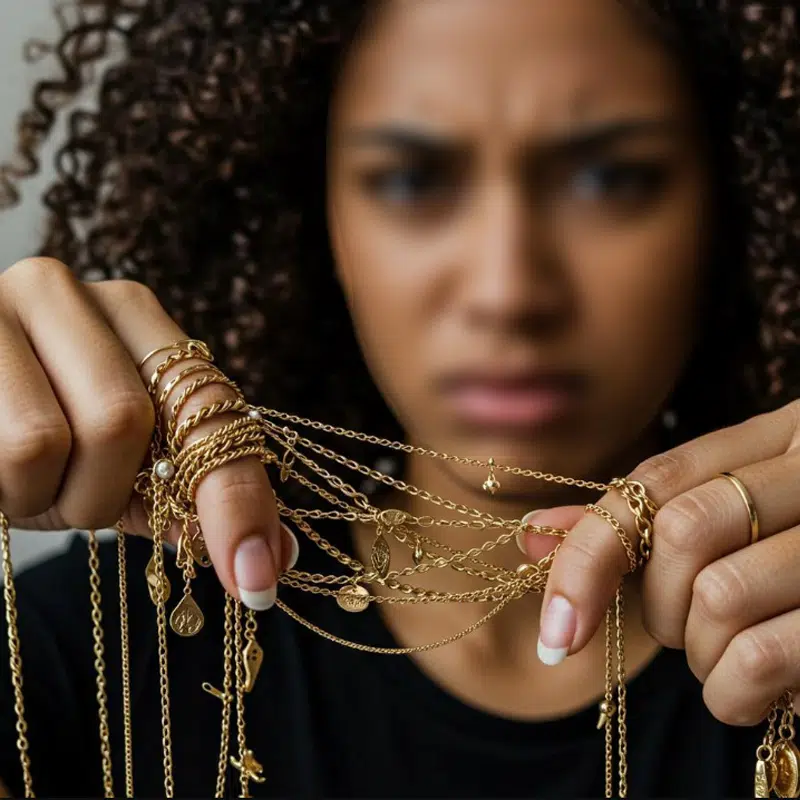
Tangled necklaces waste time and money. Messy, knotted chains will make customers leave your store! If wholesale orders arrive tangled, both you and your client will be frustrated. And you lose business in the future.
This guide shows retailers and wholesalers how to keep necklaces from tangling when storing, displaying, and shipping jewelry, and it provides some knowledge to teach your clients how to avoid this. Simple techniques can save you hours of work while preserving the reputation of your business and building a profession within your client.
Why Necklaces Get Tangled Easily
Necklaces tangle because of three main reasons. First, gravity pulls chains down and makes them twist together. Second, movement shakes jewelry boxes and creates friction between chains. Third, poor storage lets multiple necklaces from tangling together in one space.
Most Tangle-Prone Necklace Types
Some necklace types tangle more than others. Fine delicate chains with small links catch easily on each other. Chains with pendants or beads create more contact points where tangles start. Sterling silver necklaces need extra care because the soft metal can bend and twist. Long chains tangle more than short ones because they have more length to wrap around other jewelry.
- Necklaces with thin chains that are less 2mm thick.
- Necklaces trimmed with pendants or charms that dangle off the chain.
- Necklaces layered together, so several necklaces at once.
- Chain longer than 20 inches.
For Retailers – Displaying Necklaces Without the Tangle
Problems You May Meet
Necklaces that look tangled when displayed on racks create an unprofessional appearance. Jewelry customers tend to touch and create knots. When you have necklaces in drawers without dividers, they become tangled overnight. It takes valuable time with you to untangle inventory. Chains may be damaged from knots too tight to undo, devaluing the chain and affecting your profits.
Best Practices for Display
Vertical Displays
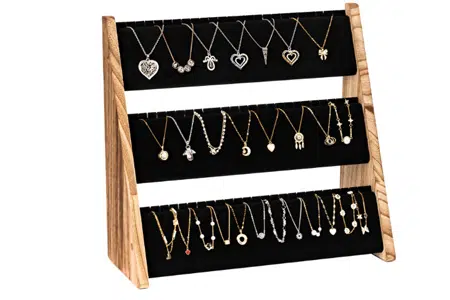
T-bar stands help chains hang straight down. Vertical chains maintain separation due to gravity with the chains hanging down. Bust displays are effective with pendant necklaces because the shape holds the chains in place. Hanging rods allow for sufficient spacing of necklaces.
Spacing is Key
Leave at least 3 inches of space between each displayed necklace. This will prevent chains from catching on each other when customers are looking in, and valuable pieces should have an individual hook.
Creative Solutions
Slotted boards are ideal for layered necklaces, as each chain has its own slot. Pin boards give you options to arrange necklaces in patterns. Single display cards show one necklace clearly since they do not get other pieces tangled in with them.
Smart Storage Solutions
You may only display a few of each type of necklace in the showcase, but you have stocks in your store, so storing them carefully in a good way is important to avoid taking more than a few hours to solve the tangled necklace.
Drawer Dividers
Jewelry trays with integrated spaces are fantastic to keep each necklace separate. Small boxes fitted into a drawer are also helpful as individual rooms for each necklace.
Travel Rolls and Pouches
Roll-up jewelry organizers have small pockets for each necklace to stay separate. Even better, not only do you use the bags to protect it, your customers can also buy them as an add-on to protect their jewelry purchase and increase your sales volume.
Tissue Paper Trick
Individually wrap necklaces in tissue paper, and then when you store the necklaces together, there will be a barrier that prevents chains from tangling. This is not expensive, but it will save you time from untangling for hours.
For Wholesalers – Shipping Necklaces in Bulk
Problems You May Meet
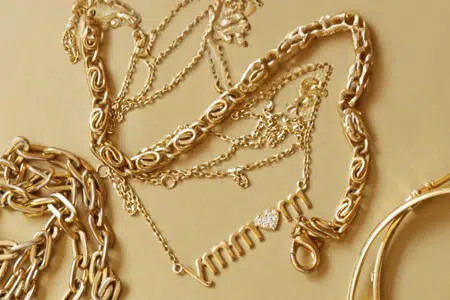
The main issue for wholesalers is delivering jewelry pieces that arrive perfectly. Tangled necklaces in bulk orders always lead to returns and unhappy customers. Customers anticipate a professional-looking shipment that reflects quality products. Mediocre shipping methods can hurt your credibility and your pocketbook in the replacement business.
Best Practices for Packaging
Clasp and Chain Separation
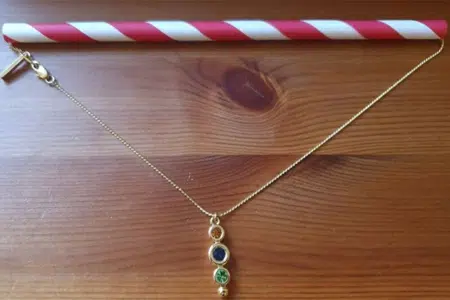
Using the straw method to prevent tangles works to perfection. Thread the chain through a drinking straw, then simply fasten the clasp. The straw will keep the chain straight and free of knots. The card method is to tape the chain to a small piece of cardboard in a straight line. Both methods are equally effective for custom necklaces and bulk orders.
Individual Bags and Pouches
Put each necklace into a compact plastic bag or similar-sized fabric pouch. Seal the bags to create physical barriers. This prevents chains from getting too familiar with one another during transportation. This measure works particularly well with necklaces with a pendant that can easily catch the other necklaces or jewelry.
Padding and Security
To keep your jewelry in place while shipping, place foam inserts inside the shipping boxes. If the jewelry is delicate, use bubble wrap to provide an additional layer of protection. Use foam inserts to fill any voids so that necklaces stay perpendicular during shipping. In addition, padding should be layered between different types of jewelry.
For Customers – Tangle-Free Jewelry at Home and on the Go
The Problem
Your customers likely experience similar tangling issues at home. When you instruct them on thoughtful storage solutions for their jewelry, you become a specialist in their eyes. This brings you credibility and establishes trust, which leads customers to return to you and develop brand loyalty for your designs.
Smart Storage Solutions
Jewelry Boxes with Dividers
Jewelry boxes, with compartments for each piece, are suited for storing necklaces at home. A velvet lining protects jewelry from scratching and also prevents a chain from sliding around.
Wall Hooks and Hanging Organizers
Simple hooks for everyday-wear necklaces can be found on bedroom walls. Clear pocket hanging organizers display every item plainly. This technique stops necklaces from tangling but spaces hooks far enough apart to avoid chain contact.
The Straw Method for Travel
Customers can still use a straw technique for travel, similarly to how wholesalers package jewelry for shipping. To pack a straw, you place your necklace inside the straw and pack your straws in your suitcase.
Or, place necklaces between two sheets of tissue paper. Lay them flat inside a large book or photo album. Place the book carefully closed to keep the chains secure.
Individual Pouches and Snap-Lock Bags
When your client purchase necklaces, offer customers small pouches to take home. Instruct them to put each piece into the fabric pouches separately. Snap-lock bags are fine for lower-priced necklaces. Fabric pouches will keep the less expensive pieces in rose gold and silver from scratching each other.
Plastic Wrap Trick
Place necklaces flat onto a sheet of plastic wrap and cover them with another piece of plastic wrap, rolling the edges up and pressing the edges together gently to secure the necklaces. This is a great alternative for stacking necklaces when you keep them in a jewelry box to keep them from tangling.
Conclusion
Simple ways of storing and displaying your jewelry saves you time and money, and it is useful for all jewelry types. Professional attention to detail differentiates a successful jewelry business from one that struggles.
Are you ready to partner with a jewelry manufacturer that concentrates on quality and proper packaging? Contact OOTB Jewelry today! Let us utilize ten years worth of exporting experience to help grow your jewelry business.

 English
  French
  Spanish
  German
  Russian
  Turkish
  Portuguese