

Introduction
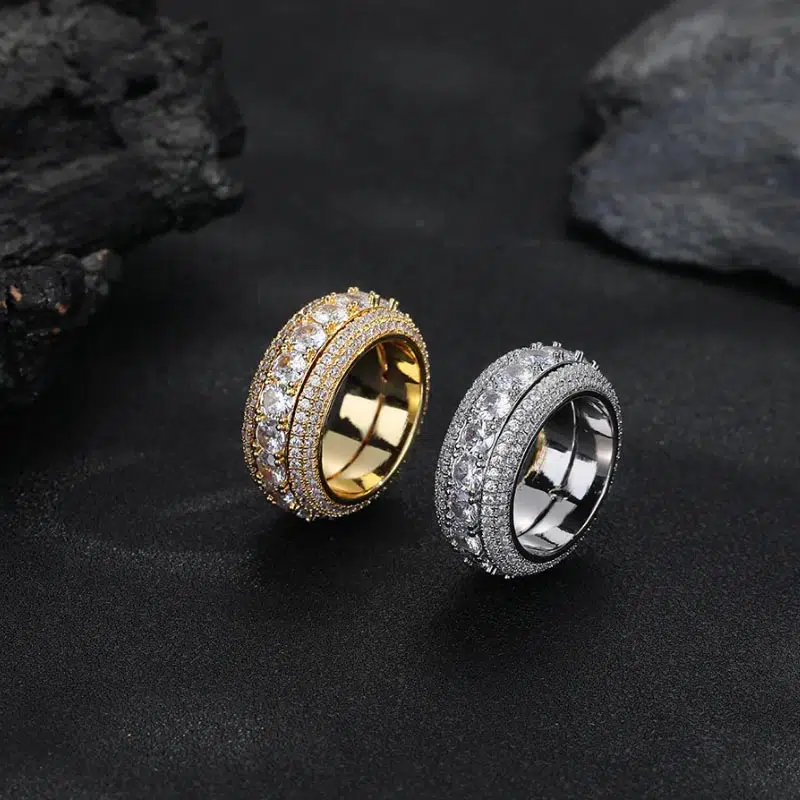
Many jewelers are suffering complaints from their clients about “Why does cubic zirconia tarnish?” and don’t know how to explain it to their clients.
Such as a yellow or brown tint on your jewelry, and they think the stone is ruined and call this “tarnish.” However, the truth is simpler than that.
Cubic zirconia is a tough material. It does not rust or turn black on its own. The problem usually comes from things outside the stone. Small bits of dirt or changes in the metal can hide the sparkle.
In this guide, you will learn the main reasons that cause the problem and how to avoid and fix it. Moreover, you’ll be experienced with how to choose high-quality CZ jewelry for your brand.
What Exactly Is Cubic Zirconia Made Of?
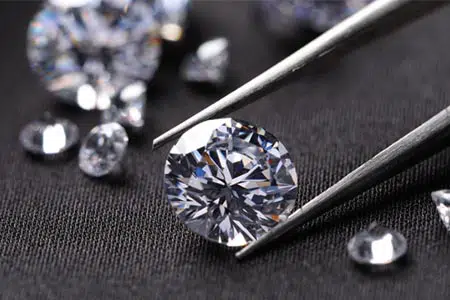
Zirconia is an artificial gem made by laboratory scientists (it’s also known as Zirconia Dioxide, or ZrO₂), who create it at incredibly high temperatures. The cubic zirconia gem is an excellent replacement for diamonds because it replicates the appearance of a real diamond. It has an amazing sparkle and reflects light very well.
Cubic zirconia is a really hard stone; it ranks an eight point five on the Mohs hardness scale (for reference, diamonds rank a ten).
Therefore, the durability of cubic zirconia will withstand daily wear and tear and can be used in a variety of different types of jewelry.
In addition, cubic zirconia gemstones are cost-effective, allowing consumers to buy the same “luxury” look as diamond jewelry for a fraction of the price. You can also find cubic zirconia in many different colors to create many different styles of jewelry.
Jewelry Composition Breakdown
CZ Hardness
Diamond Hardness
Copper Hardness
Does Cubic Zirconia Tarnish or Change Color Over Time?
Does the CZ stone change color? No. Cubic zirconia does not oxidize. It does not combine with oxygen to change color to green or black.
If your stone looks dull, it is not the result of a change in the chemical composition of the stone. It is just ‘dullness’ or dirt. The ‘facelets’ are tiny ‘shelves.’ They hold dust and oil. This film of muck affects the ability of the stone to transmit light. If the light cannot transit through the stone, the brilliance is lost.
The Most Common Reasons
Metal Oxidation
The most common cause of a “dull” appearance is the metal setting. Most stones are mounted on metal.
If you’ve used 925 silver, it might have reacted with the air and moisture to form black tarnish on the metal. This black appearance can show through the transparent stone. It can make the cubic zirconia appear gray or even yellow.
Low-carat can cause this as well. You might see that the color of the CZ stone has changed, but it’s the metal’s fault.
Surface Clouding
Think about how often you touch your jewelry. Your skin has oils that are secreted. Then, you apply soaps, lotions, perfumes, etc. All of these also stick to the stone. With each hand cream application, a fresh foggy film builds up on the cubic zirconia.
Rather than reflecting and giving light back, it traps it. Thus, a CZ stone has no life and is super foggy. This happens in just a couple of days and makes it look like cheap glass.
Abrasive Wear
While cubic zirconia is hard, it is not invincible. Daily life involves bumping into things. You might hit your ring against a desk or a door. Over several years, these tiny bumps create microscopic scratches. These scratches are too small to see individually. However, thousands of them together make the surface look rough. This mimics a “tarnished” or “cloudy” look. This usually happens to pieces you wear every single day for a long time.
Chemical Exposure
Harsh chemicals can also be damaging to jewelry. Swimming pools have chlorine, which will damage the finish on metals. Gold-plated jewelry will begin to peel off the gold plating. The under metal will become visible, and if there is a CZ stone in the setting, the area around it will be stained. Other chemicals, such as bleach in household cleaners, will leave a residue of chemicals on the stone that is very difficult to clear off.
Hard Water Deposits
If you wash your hands while wearing rings, you will have tap water. Various water is full of minerals such as magnesium and calcium. This is hard water. When the water evaporates, the minerals are left behind. They form an obstinate layer on the stone facets. This layer is akin to a cause and effect permanent deterioration or a crust. You can see it often happens in areas where the water is not very soft.
Storage Mistakes
Your choice of placement for your jewelry is key. Jewelry left on a wet surface, such as a bathroom counter, is subject to oxidation because of the moisture in the air. This oxidation “bleeds” visually into the stone.
Placing jewelry anywhere will cause scratches when it rubs against other stones, which will make your jewelry appear older and more abuse than if no scratches occurred.
Professional Prevention Strategies
The “Last On, First Off” Rule
For those who love jewelry, this is the single most important rule.
You should always put on your jewelry once you have completed your beauty routine, including hairspray, make-up, and perfume, as long as you allow all these products to dry properly.
This prevents the stone from getting a coat of chemicals.
When you arrive home, you should remove your jewelry immediately before doing any household chores that may cause you to damage the jewelry.
The Power of Microfiber
All you need in order to keep your stones shimmering is a plain microfiber cloth; it does the job most efficiently. With a fresh cloth, give your pieces a quick wipe after every wear.
This eliminates the greasy buildup that happens when you do not get rid of them right away. It takes only ten seconds but keeps the stone clear for a long time. It prevents the formation of a long-term film that results in the majority of cloudiness.
Protective Barriers
Choosing the correct coating materials is very important.
Rhodium-plated or gold-plated is the most common option for jewelry plating. Rhodium is incredibly shiny and non-tarnishable. It is a barrier between the base metal and the outside world.
PVD plating is another great option. It creates a very tough barrier. This protects the base metal from reacting with the air and keeps the stone from tarnishing.
Step-by-Step Recovery: How to Clean “Tarnished” CZ
You can easily solve the issue of tarnished jewelry at home by following these simple steps.
Soak
Mix some mild (liquid) dish soap in with hot water in a bowl – don’t use any harsh detergents. Place your tarnished jewelry in the water for about 10 to 15 minutes. This will help the soap dissolve any oils and dirt that are stuck on your jewelry.
Brushing
Use a soft toothbrush to brush your stone clean. Use the soft toothbrush to get underneath the stone’s mounting. You will find that most of the dirt is located underneath the mounting, and the soft bristles will reach those small areas too, where a cloth wouldn’t reach.
Cleaning
Rinse with clean, warm water — ensure that all soap is removed. Pat dry with a soft lint-free towel. Do not allow your item to air dry; this will cause spots to occur.
When To Call A Professional
At times, home washing isn’t enough. The professional will be needed to replate if the metal plating has been removed. Jewelers can use ultrasonic cleaning, which uses sound waves to remove deep dirt.
How to Choose High-Quality Cubic Zirconia Jewelry
Check Stone Grade
Not all cubic zirconia stones are the same. Factories grade them from A to AAAAA. You should always choose AAAAA (5A). This grade means the cutting is precise. The polishing is perfect, and the stone has the best clarity. A 5A stone will look like a diamond for much longer than a 1A stone. It has more “fire” and sparkles better under light.
Good Base Material
Do not use cheap copper alloys because they corrode quickly and discolor the skin when worn and stain the CZ stone.
Choose, if possible, 925 silver (sterling) or stainless steel for the best possible combination of strength, hold, safety, and resistance to moisture.
Plating Thickness
Ask the manufacturer about the plating thickness. This is very important for longevity. For a stainless steel base, PVD plating should be at least 0.05um thick. Standard electroplating should be between 0.05um and 0.2um. Thicker plating lasts longer and prevents the metal from changing color.
Conclusion
Cubic zirconia will provide you with the same brilliance and fire as diamonds for many years! You just need to give it a little bit of care, as it has the strength and stability to last for a long time.
If your cubic zirconia is set in high-quality metal, it shines longer. You should clean your cubic zirconia regularly and store it in a dry environment so it maintains its appearance.
OOTB Jewelry is a professional jewelry manufacturer in China. We use 5A-grade cubic zirconia and high-quality plating for all our products. We can help you customize your jewelry with the best materials.
If you need quality jewelry that lasts, contact us for an inquiry. We help jewelry brands and retailers get the best products for their customers.


 English
  French
  Spanish
  German
  Russian
  Turkish
  Portuguese