Introduction
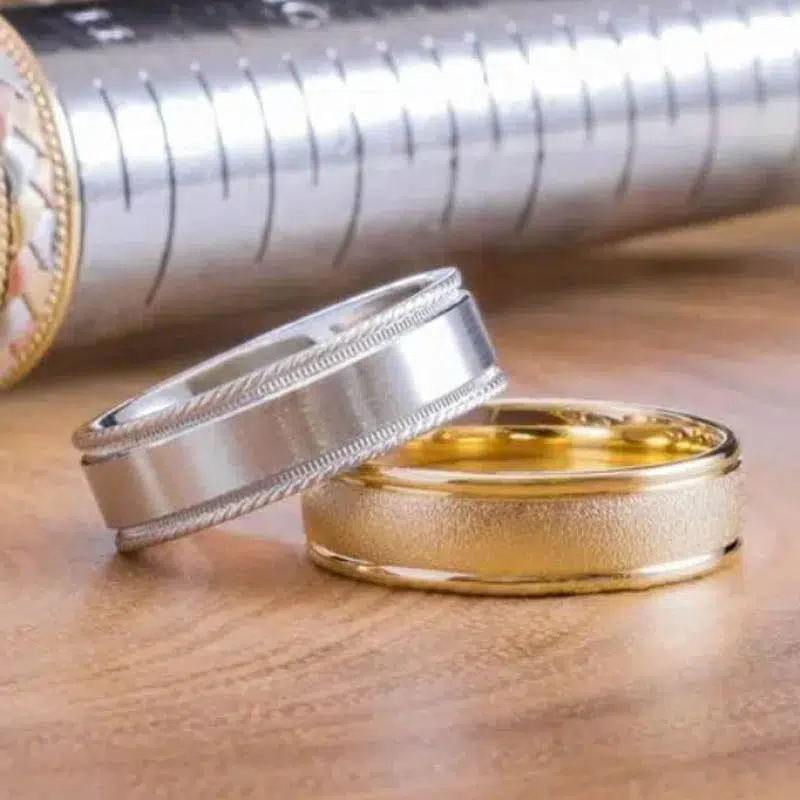
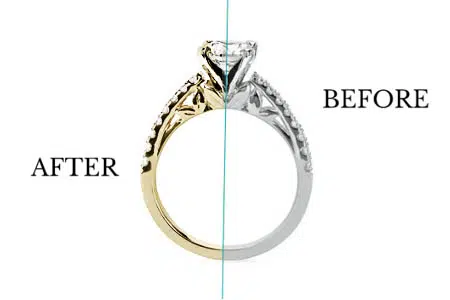
The two most common plating types you will find are rhodium and gold. Each type offer you with different pros and cons. Rhodium plating gives you a higher shine with a mirror finish and is more durable. Gold plated jewelry provides warmth in color, and is cheaper upfront.
Rhodium plated vs gold plated jewelry, which one is what you need?This guide reviews the two types of plating, including the basic meaning, how long they usually last, and which one may be best for you.
What is Rhodium Plated Jewelry?
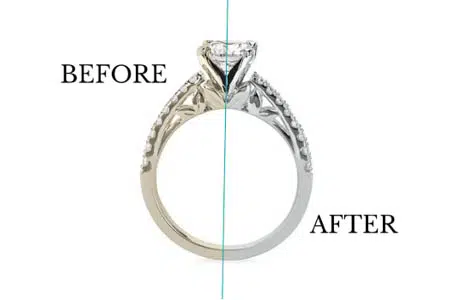
Rhodium plating means putting a very thin coating of rhodium metal on top of other base metal (like silver or brass). The plating creates a coating that is typically 0.1 to 1.0 microns thick. That is very thin, thinner than a human hair.
Rhodium is a part of platinum family. It is much harder than gold. The result is jewelry with a bright, shiny, silver-white finish.
Benefits of Rhodium Plated Jewelry
Mirror-Like Shine
Rhodium creates the brightest, most reflective surface you can get on jewelry. When light hits rhodium plated jewelry, it bounces back with incredible brilliance. This makes gemstones or diamonds look more sparkly and expensive.
I’ve seen customers choose rhodium plated rings over white gold because the rhodium version looked more premium. The reflection quality is so good that many brands of well-known jewelry use rhodium plating.
Scratch Resistance
Rhodium is much harder than gold and silver. This means rhodium plated jewelry resists scratches and dents better than other plated options. The hard surface protects the softer base metal.
During my years working with jewelry, I’ve noticed that rhodium plated pieces keep their smooth finish longer. While gold plated jewelry might show scratches after a few months, rhodium plated pieces often look new for over a year.
Hypoallergenic Properties
Rhodium doesn’t contain nickel, which causes most jewelry allergies. People with sensitive skin can usually wear rhodium-plated jewelry without problems. The rhodium finishing works like a barrier to prevent your skin from getting in touch with under metal.
Disadvantages of Rhodium Plated Jewelry
Higher Cost
Rhodium plating costs more than gold-plated finishing because rhodium metal is rarer and more expensive. The plating process also takes more time and skill. You might pay 30-50% more for rhodium plating compared to gold-plated jewelry.
Re-plating also costs more when the rhodium wears off.
Limited Color Choice
Rhodium only comes in one color – bright silver-white. You can’t get warm gold tones, rose gold, or other colors with rhodium plating. This limits your style options if you compare it with gold plated jewelry.
If you love the warm look of yellow gold or the romantic feel of rose gold, rhodium plating won’t give you those options. You’re stuck with the silver and cool appearance.
Re-plating Requirements
Although rhodium is a hard metal, it will wear away with time due to corrosion. The mint plating of rhodium will not last forever, especially for people who wear it every day. Once the rhodium begins to protectively wear, the plating will need to be paid, and then you can restore your jewelry to be shining.
This part will conflict with your jewelry often, like ring bands and bracelet links will wear off quicker. You may notice in these areas the color of the base metal showing through.
Lifespan of Rhodium Plating Jewelry
Rhodium plating can last at least 1 year. Rings wear off fastest because they get the most friction. Necklaces and earrings last longer because they don’t rub against things as much.
The exact lifespan depends on several factors:
Factors that affect durability:
- How often you wear the jewelry
- What activities you do while wearing it
- Your skin’s pH level (acidic skin wears plating faster)
- How thick the plating layer is
- Quality of the base metal
Signs you need re-plating:
- Yellow or dark spots showing through
- Dull appearance instead of bright shine
- Rough texture where it used to be smooth
- Skin reactions (if the base metal contains allergens)
What is Gold Plated Jewelry?
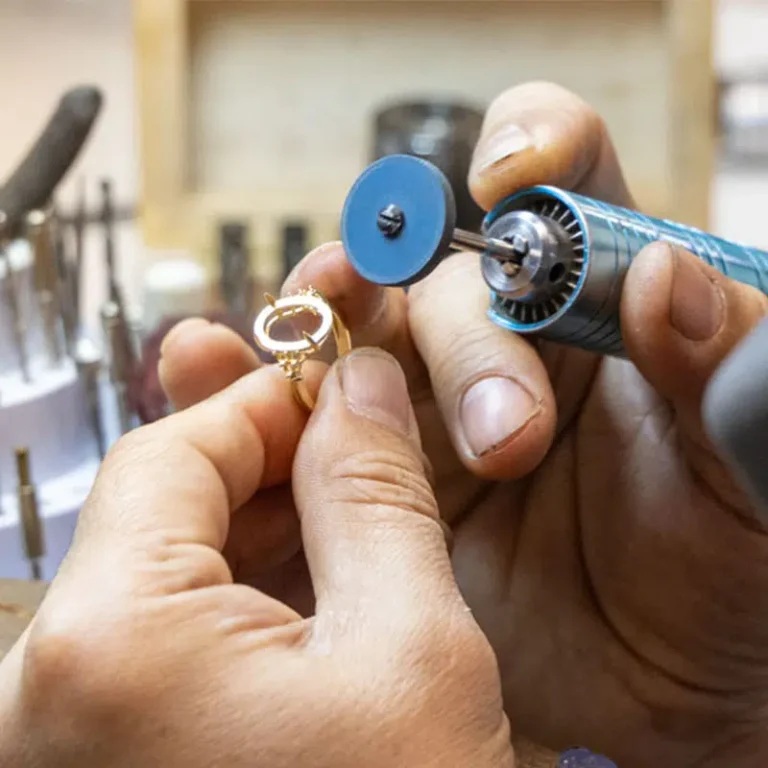
Gold plated jewelry means that apply a thin gold on the base material, which base metal is usually brass, copper, silver, or stainless steel. The gold layer gives the jewelry its color and some protection against tarnishing.
Same process with rhodium plating. Gold atoms bond to the jewelry’s surface, creating a layer that’s typically 0.5 to 2.5 microns thick. Higher quality pieces have thicker plating that lasts longer.
Benefits of Gold Plated Jewelry
Affordable Gold Look
You can enjoy the gold-jewelry appearance but pay less cost. A solid gold ring might cost $800, while a gold plated version could cost $80. You get the same warm, luxurious look without the high price.
This makes gold plated jewelry perfect for trying new styles or following trends. You can buy several pieces for the price of one solid gold item.
Multiple Color Options
Gold plating gives you more color options than rhodium plating. If you want a vintage feel, just go for yellow gold. The pinkish tint found in rose gold creates romantic feels, while white gold is perfect for something modern. Having the option for more color allows you to adjust how your jewelry compliments a variety of outfits and occasions.
Easy to Find
You can find gold-plated jewelry easily, as they’re often sold at jewelry stores and supermarkets. You can find pieces in every price range and style. The selection is much larger than rhodium plated options.
Gold Plated Jewelry’s Disadvantages
Wears Off Easily
Gold is softer than rhodium, so gold plating wears off faster. The thin gold layer can scratch, chip, or rub away with normal wear. This is especially true for rings, bracelets, and other jewelry that gets a lot of friction.
I’ve seen gold plated rings lose their color in just a few months with daily wear. The areas that rub against your fingers or other surfaces wear off first.
Requires Regular Care
Gold-plated jewelry requires more upkeep than rhodium-plated jewelry. Gold jewelry needs to be cleaned carefully and that it should be placed in the proper covering storage; avoiding chemicals that damaged the gold plating. Perfume, lotion, and cleaners will all speed up the wearing away of the gold.
Potential Allergic Reactions
Cheaper gold plated jewelry often contains nickel in the base metal. When the gold plating wears thin, the nickel can touch your skin and cause allergic reactions. This creates red, itchy, or swollen skin where the jewelry touches.
Higher quality gold plated jewelry uses nickel-free base metals, but it costs more. Always check what the base metal is before buying.
Lifespan of Gold Plated Jewelry
6 months is the most common lifespan of gold-plated jewelry. If you don’t wear it regularly, often care for it, and save it well, it can last 2 years. ere’s what affects how long it lasts:
Factors that affect durability:
- Thickness of the gold layer (thicker lasts longer)
- Quality of the base metal
- How often you wear it
- What you do while wearing it
- How well you care for it
Signs it’s wearing off:
- Base metal color showing through
- Green or black marks on your skin
- Dull appearance instead of shiny
- Rough or flaky texture
Thicker gold plating (called “heavy gold plated”) lasts longer than thin plating. Look for pieces marked “14k gold filled” or “gold vermeil” for better durability.
Rhodium vs Gold Plated: Side-by-Side Comparison
Here is a quick table to see their differences:
| Features | Rhodium Plated Jewelry | Gold Plated Jewelry |
| Initial Cost | High | Low |
| Duration of Life | 1 to 2 years | 6 months to 2 years |
| Hardness | Mohs scale:6 | Mohs scale: 2.5-3 |
| Resistance to Scratching | Good | Poor |
| Colors Options | Silver only | Yellow, rose, white |
| Allergic Reactions | None | Possible with Low Qulity |
| Maintenance | Require Less | Regular required |
Appearance and Color
Rhodium plating produces a shiny, mirror-finish silver look. It has a cooler tone, plus it reflects the light brilliantly, making it an option to consider for engagement rings and formal jewelry, where one may want to maximize their sparkle.
Gold plating provides warm colors. Yellow gold has a classic, timeless look. Rose gold providing a romantic, vintage feel. White gold provides more modern look that is warmer than rhodium.
Durability and Hardness
Rhodium takes the lead in durability. It’s harder than gold and more resistant to scratching and denting. A rhodium-plated ring will maintain its smooth finish for greater, or comparable, time than gold plating.
Gold plating is softer. It scratches easier and can show wear patterns very fast with regular daily use. Nonetheless, with better, thicker gold-plating, it can last just as long or at long as rhodium-plating is able to last.
Cost Comparison
Gold plating is less expensive in the beginning, but you potentially will have to replace it more often. Rhodium plating is more expensive to start, but it will last longer without frequent replacement.
Here is a long-term example of your full cost:
• Gold plated ring: $50 initial cost + $35 re-plating every year = $120 over 2 years.
• Rhodium plated ring: $100 initial cost + $75 re-plating every two years = $175 over 2 years.
Best Uses and Applications
Rhodium plating is best for:
- Engagement rings and wedding bands.
- Fine jewelry worn on a daily basis.
- Customers that are sensitive to metals.
- Jewelry pieces that focus primarily on durability.
Gold plating works best for:
- Fashion jewelry.
- Wearing piece occasionally.
- When you want to wear jewelry that has many different colors.
- Buyers that are conscious of budget.
Skin Sensitivity
Rhodium plating is naturally hypoallergenic. It doesn’t contain nickel or other common allergens. The rhodium layer protects your skin from the base metal underneath.
Gold plating can cause reactions if the base metal contains nickel. Higher quality gold plated jewelry uses nickel-free base metals, but cheaper versions often don’t. Always check the base metal composition if you have sensitive skin.
Maintenance Requirements
Rhodium plated jewelry has relatively little daily care. You can clean it with light soap and warm water. The main maintenance is just replacing it every 1–2 years once the coating wears off.
Gold plated jewelry is more involved. You will want to clean your gold plated jewelry gently, store it properly, and avoid exposing it to chemicals. Despite the extra care you pay, gold plated jewelry will still wear off faster than rhodium plating.
Which Should You Pick?
Options for rhodium plating if:
- You have sensitive skin
- You wanted maximum durability
- You like bright, mirror-like shine
- You are purchasing an engagement/wedding ring
- You don’t mind paying a little more up front
Pick gold plating if:
- You prefer warm gold colors
- You are purchasing fashion jewelry
- You are on a limited budget
- You like changing jewelry often
- You are trying something new
Think about your lifestyle:
- Active lifestyle: Rhodium plating will hold up to scratches better
- Office work: Either option will work in this context
- Hands-on job: Neither plating will last if you do intense work with your hands
- Occasional wear: Gold plating is better in terms of price.
Conclusion
Rhodium plating and gold plating both have a place in jewelry. Generally speaking, rhodium achieves greater durability and hypoallergenic quality. Gold plating allows for affordable luxury and an assortment of color choices.
Finally, if you are a business that sells rhodium or gold plated jewelry, please contact OOTB for the best possible pricing.
Frequently Asked Questions:
Does rhodium plating turn green?
No, rhodium plating itself doesn’t turn green. However, if the rhodium wears off and exposes a copper or brass base metal, that base metal can turn green and leave marks on your skin. This is why it’s important to re-plate your jewelry when the rhodium starts wearing off.
Can you shower with rhodium-plated jewelry?
You should avoid showering with rhodium plated jewelry. Water, soap, and shampoo can make the plating wear off faster. The chemicals in these products can also damage the plating. Take your jewelry off before showering to make it last longer.
Is rhodium plating worth the cost?
Rhodium plating is worth the cost if you want durable, hypoallergenic jewelry that stays shiny longer. It’s especially worth it for engagement rings, wedding bands, and other pieces you’ll wear daily. For occasional wear jewelry, gold plating might be more cost-effective.
How can you tell if jewelry is rhodium plated?
Rhodium plated jewelry has a bright, mirror-like silver finish that’s very reflective. It’s usually marked with “rhodium plated” or “rhodium” on the piece or packaging. The jewelry will also be more expensive than regular silver-plated items.
Can gold plated jewelry be re-plated?
Yes, gold plated jewelry can be re-plated after the original gold plating has worn away. A jeweler will strip and remove the old gold plating, and then apply a new layer of gold plating. The base metal must be in reasonably good shape for re-plating to work well.

 English
  French
  Spanish
  German
  Russian
  Turkish
  Portuguese