

Introduction
You must have noticed that there’s a mark of 925 on your silver jewelry, but what is 925 silver? This guide will tell you about the meaning of 925 silver, why people choose it to make jewelry, how to distinguish it, and maintenance tips.
Are you ready? Let’s go!
What is 925 Silver?
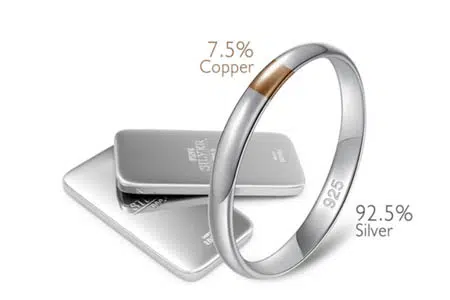
925 silver contains 92.5% pure silver, with 7.5% being other metals. The other metals can be copper, and even nickel and zinc. 925 silver is known as sterling silver.
925 represents the purity measurement. Of 1000 parts, 925 parts are pure silver. That’s why you see “925” stamped on real sterling silver jewelry.
Why 925 Silver is Better Than Pure Silver
Strength and Durability
Pure silver is like soft clay – it bends and dents easily. I’ve seen pure silver rings that got squished just from someone gripping their hand too tight. With 925 silver, this doesn’t happen.
The copper in 925 silver makes it about 3 times stronger than pure silver. Your jewelry won’t bend out of shape, and it resists scratches much better. A 925 silver ring can last decades with normal wear.
Shape Retention for Better Design
Can you visualize carving a soft butter statue and trying to keep its form? Pure silver is somewhat the same; it is too soft to keep patterns. The alloys added to 925 silver stiffen it so jewelers can fabricate amazing patterns and shapes. The result is the different and beautiful pieces available in sterling silver.
Hypoallergenic Properties
Nickel is the leading cause of metal allergies, which is why a lot of people get rashes from cheap jewelry. Quality 925 silver contains no nickel, but uses copper. 925 silver will not cause a rash on sensitive skin.
I have been using 925 silver jewelry for years and have never had an allergic skin reaction. The copper does not cause allergies like nickel does. If you have sensitive skin, 925 silver jewelry is one of your safest choices metal jewelry.
Affordable Luxury
Often silver jewelry costs less than gold. 925 silver is terrific value if you want real metal jewelry that is beautiful without the cost. Although it is very affordable, it will still look pretty and has good value as real jewelry. It is not just a cheap alternative; silver is real value in its own right.
Global Recognition and Resale Value
Silver is a precious metal that people recognize and value all over the world. This means if you ever decide you don’t want a piece of 925 silver jewelry anymore, you can often sell it. Your 925 silver jewelry will never become worthless like costume jewelry does.
How to Tell if Your Silver is Really 925
Look for Hallmarks
The best method to find out if silver jewelry is actually real 925 silver, is to check for a small mark. This mark, known as a hallmark, defines purity. Typically, you will find “925” “sterling” or “sterling silver.” Occasionally, the hallmark will be small, so you may need to whip out your magnifying glass to find it. Be cautious though! Fake items can have marks such as “ARG 800” and “ARG 1000” as any item could have a variety of markings but they are not true markings for sterling silver 925 meaning true purity.
Simple Magnet Test
This test takes 30 seconds and works every time. Hold a strong magnet near your silver jewelry. Real 925 silver will not stick to the magnet at all.
If the jewelry jumps toward the magnet, it’s not real silver. It’s probably steel or iron with silver coating. This test catches most fake silver jewelry.
Important note: Just because jewelry isn’t magnetic doesn’t prove it’s 925 silver. Other metals like aluminum aren’t magnetic either. Use this test to rule out obvious fakes, but check the hallmarks too.
Smell Test
Real 925 silver has almost no smell. If you can smell a strong metallic odor, your jewelry probably isn’t real silver. Fake silver often contains metals that smell bad.
How Long Does 925 Silver Last?
925 silver jewelry can last your entire lifetime with proper care. I have 925 silver pieces that are over 20 years old and still look great. The silver doesn’t wear away or break down like cheaper metals do.
The main issue with 925 silver is tarnishing. Silver reacts with air and develops a dark coating called tarnish. This usually happens within 6 months if you don’t take care of your jewelry.
Factors that affect lifespan:
- Air exposure – causes tarnishing
- Moisture – speeds up tarnishing
- Chemicals – can damage the silver
- Physical damage – scratches and dents
The good news is that tarnish is just surface discoloration. It doesn’t damage the silver underneath. Regular cleaning removes tarnish and keeps your jewelry looking new.
Keeping Your 925 Silver Beautiful
Proper Storage Methods
Store your 925 silver in air-tight containers or bags. Air causes tarnishing, so limiting air contact keeps your jewelry bright longer.
I use small zip-lock bags for each piece of jewelry. You can also buy special anti-tarnish bags made for silver. These bags have chemicals that absorb the gases that cause tarnishing.
Water and Chemical Protection
Water, especially swimming pool water or tap water, has chemicals and minerals in it. These can react with your silver and make it tarnish faster or even damage it. It’s a good habit to take off all your silver rings, necklaces, and bracelets before you jump in the pool or step into the shower. Even sweating a lot can cause tarnishing, so consider taking it off before a big workout.
Regular Cleaning Routine
Clean your 925 silver jewelry once a month with a soft cloth. Special jewelry polishing cloths work best. These cloths have gentle cleaners that remove tarnish without scratching.
For heavy tarnish, you might need professional cleaning. Most jewelry stores offer cleaning services for a small fee.
Styling Your 925 Silver Jewelry
Layered Necklace Looks
Layering necklaces creates a cool, modern look. You can mix different types of silver chains, like a sleek snake chain with a chunkier curb chain. Play with different lengths to create a tiered effect. This adds depth and interest to any outfit.
Ring Stacking Ideas
Don’t settle for wearing just one ring! Whether you stack several rings on a finger, or distribute several rings across different fingers, you can stack rings of varying shapes, textures, and small gemstones, too! Not only does this personalize your style, it also makes a statement! Thin bands are complementary next to thick rings too!
Mixing Silver with Gold
Pairing gold and silver jewelry is a trendy and fashionable way to wear your jewelry. You can wear a silver necklace with gold earrings, or wearing silver and gold bracelets on your wrist. Mixing silver and gold creates a rich, interesting look that represents your unique style.
Final Thoughts
Now, you’re clear about it, 925 sterling silver is not pure; it’s a type of silver alloy that is made by mixing 92.5% silver with 7.5% brass. Most silver jewelry is made by it in the market, because it can be shaped for any design, avoid dents, and hold its value.
If you want to order 925 jewelry from China with various options and competitive prices? OOTB is a good supplier.
FAQs:
How dense is sterling silver?
Sterling silver has a density of about 10.36 grams per cubic centimeter. This is slightly less dense than pure silver (10.49 g/cm³) because of the copper content. The density helps jewelers identify real silver.
What makes sterling silver different from silver-plated jewelry?
Sterling silver is solid silver alloy all the way through. Silver-plated jewelry has a thin layer of silver over a base metal. Plated jewelry costs less but wears off over time.
Related Resouces
1. Characteristics of Silver – Wikipedia
2. Silver: Periodic Table of Videos – Periodicvideos
3. Current Silver Price – Bloomberg
 English
  French
  Spanish
  German
  Russian
  Turkish
  Portuguese