

Introduction
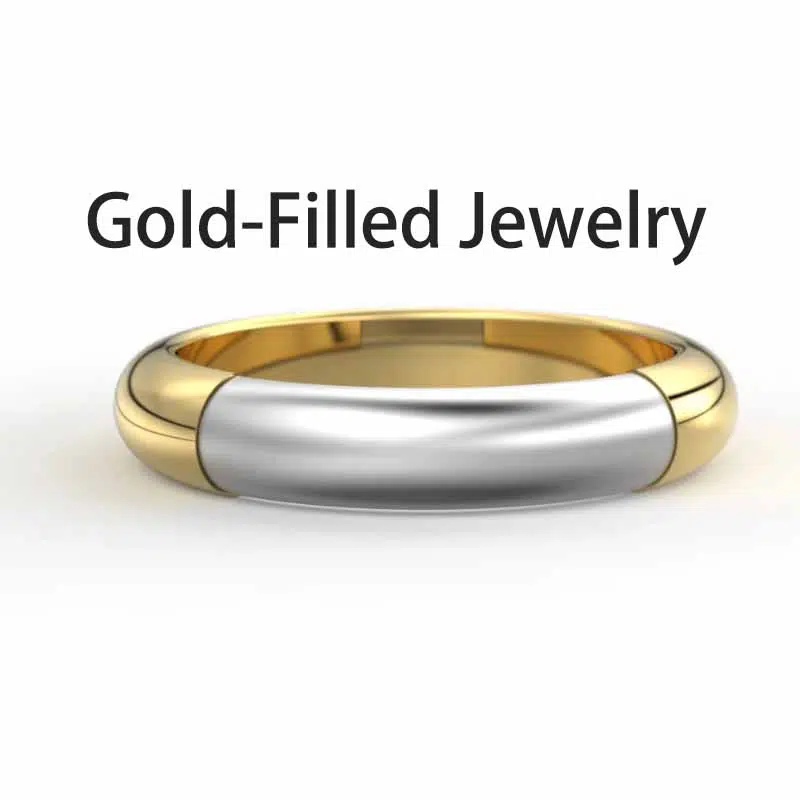
Do you want to have a gold touching and feeling jewelry, while don’t spend too much cost? Gold-filled jewelry is what you need.
Next, we’re going to talk about what is gold filled jewelry, pros and cons, and how to solder gold-filled jewelry if you want to DIY it by yourself. Everything about it you can get by following the contents.
What is Gold Filled Jewelry?
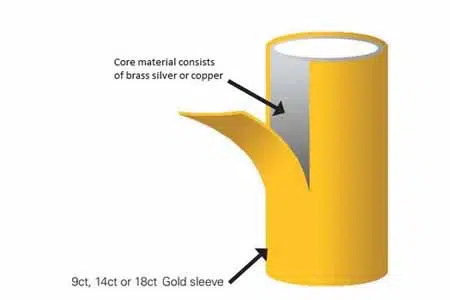
Think of it like a sandwich – the base metal (usually brass) sits in the middle, and real gold covers the outside. This is the structure of gold-filled jewelry.
There’s a basic standard that the weight of the gold layer should be over one-twentieth (5%) of the total jewelry weight. This means if you have a bracelet that weighs 20 grams, at least 1 gram must be real gold. The law requires this minimum to call something “gold filled.”
Compare Gold Filling with Gold-Plating and Solid Gold
| Feature | Gold Filled | Gold Plated | Solid Gold |
| Gold Content | 5% by weight | 0.05% by weight | 58.3-75% (14k-18k) |
| Durability | 15-35 years | 1-2 years | Lifetime |
| Tarnish Resistance | Excellent | Poor | Excellent |
| Hypoallergenic | Yes | No | Yes |
| Repair Options | Limited | Very limited | Full repair possible |
Gold filled jewelry provide you with the best middle ground. You spend less than on solid gold jewelry while getting gold-looking and long-lasting jewelry. The thick gold layer means it looks authentic and lasts much longer than plated alternatives.
Gold Filled Jewelry Pros and Cons
Advantages
- Gold won’t peel off: Due to the gold layer being thick and being heated and pressed to the base metal, they’re stuck well for daily wearing.
- Waterproof and tarnish resistant: Because of the thick gold layer, gold-filled products are very water-resistant and help deter tarnishing. This means you can wear it without having to worry about it turn dull.
- It’s safe for sensitive skin: The outside of gold-filled jewelry is real gold. This makes it a good choice for those kind of people who allergies to nickel metals, or have sensitive skin , as the base metal is covered.
- Cheaper: You get the look and many benefits of solid gold, but you only pay less money.
- Easy to care: Gold-filled jewelry is simple to clean and maintain, helping it stay beautiful for a long time.
Disadvantages
- Limitations: Gold-filled material is usually made in sheet form and sometimes in wire form. This means that gold-filled jewelry designs are often either flat or hollow. It can be harder to create very intricate or sculptural pieces if you compare it with solid gold.
- Joints: Sometimes, at the joints of rings or links, if the piece is cut and soldered, the inner base metal will certainly show over time if it is not finished well, or if the layer of gold is very thin at that point due to the cutting process.
Life Spane of Gold Filled Jewelry
Gold filled jewelry typically lasts 15 to 35 years with normal wear. The wide range depends on several factors:
Factors influencing lifespan:
- Thickness of gold layer: Thicker layers last longer
- Quality of bonding: Stronger bonds are produced by better manufacturing.
- Wear patterns: Daily rings wear faster than occasional necklaces
- Care routine: Proper cleaning extends life
- Body chemistry: Some people’s skin is more acidic
Maintenance Tips for Gold Filled Jewelry
Daily care routine:
- Wipe pieces with a soft cloth after wearing
- Remove before applying lotions or perfumes
- Put jewelry on last when getting dressed
Cleaning methods:
- For routine cleaning, use a soft brush and warm, soapy water.
- Jewelry polishing cloth for shine restoration
- Stay away with harsh chemicals
Storage recommendations:
- Keep pieces in an airtight box or container when not wearing
- To avoid scratches, use separate pouches.
- Keep in conditions with minimal humidity.
What to avoid:
- Swimming in chlorinated pools (chlorine can damage gold)
- Ocean swimming
- Cleaners with harsh chemicals
- Storing in humid bathrooms
Regular wear actually helps gold filled jewelry look better. The oils from your skin create a natural protective barrier, and gentle daily polishing from clothing keeps the surface bright.
How to Solder Gold Filled Jewelry
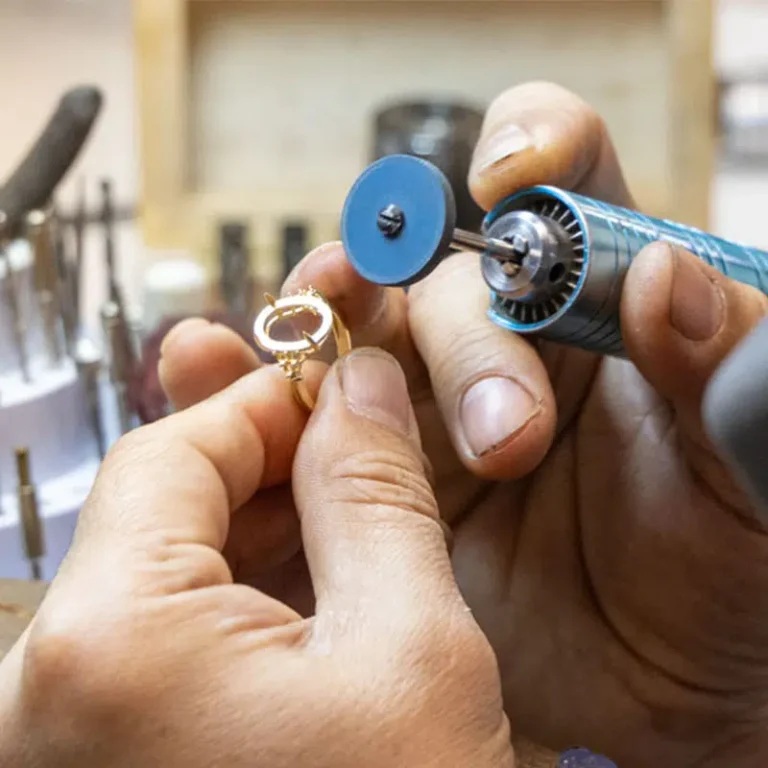
Soldering gold-filled material is a bit different from soldering solid gold. It needs careful heat control to keep the gold layer intact. I’ve personally learned this through trial and error over the years.
- Choose solder material: You should use a gold solder that is same with the color and karat of the gold-filled material. A example, If your gold-filled jewelry is made of 18K, then you have to use 18ct yellow gold solder.
- Avoid Overheating problems: The biggest challenge is making sure you don’t heat the gold-filled material too much. If overheating, the gold layer and base metal will melt and mix into one. The result you will see is a phenomenon where a “restrain that rescale that can penetrate the entire gold layer,” which makes it look splotchy or removing the gold completely.
- Another problem: If it overheats, the layer of gold will mix with the brass core. This results in a “dark and dis-colored solder joint.” You want to avoid this. It’s better to control heat: make sure the temperature is between 690°C and 788°C. I often use a heat-controlling soldering block to help with this.
- If the color is not the same and uniform, try gold plating:Even with careful soldering, sometimes the solder joint may not completely match the gold-filled color. If the color isn’t the same and uniform, a light gold plating after soldering can make the joint blend in perfectly with the rest of the piece, offering you a seamless finish.
Final Thoughts
Now you have learned everything about gold-filled jewelry. If you take care of your gold filled jewelry, these items should last for many decades. Gold-filled provides an authentic gold appearance and hypoallergenic properties without the price tag concerned.
If you want to order gold-filled jewelry in many types or have a unique design solution for your DIY gold-filled jewelry, contact OOTB Jewelry.
Frequently Asked Questions
Can you cut gold filled jewelry?
Yes, but cutting exposes the base metal itself. You will see a brass or copper color beneath the gold layer on the cut edge. Once the jewelry piece is cut, a professional jeweler can gold plate the cut edge for aesthetic reasons.
How to store gold filled jewelry properly?
Store in an airtight container with moisture control. Individual soft pouches can help avoid scratching. Store away from other metals, as galvanic corrosion can occur.
Does gold filled jewelry tarnish?
No, the gold layer protects from tarnish. The base metal under the layer could tarnish if it is exposed as it wears, but the surface will remain bright.
What’s the difference between gold plated and gold filled?
Gold plated has a thin coating (0.05% weight of gold) and wears down fairly quickly. Gold filled has a thick layer (5% weight of gold) and can last decades.
Can you be allergic to gold filled jewelry?
Rarely. Although the gold layer generally covers the base metal, and therefore allergenic materials do not make contact with sensitive skin, if the gold layer wears thin, some people may react to the base metal underneath.
Is gold filled jewelry waterproof?
Yes, gold filled is waterproof and will not tarnish from regular water exposure. Avoid exposure from chlorinated pools and salt water as this can wear down any gold jewelry over time.
What does 14k gold filled mean?
The gold layer is 14 karat (58.3% pure gold) and makes up at least 1/20th of the total weight. This is the most common type of gold filled jewelry.
How much is gold filled jewelry worth?
New pieces cost 10-20% of solid gold prices. Used gold filled jewelry has little resale value since buyers can’t easily verify the gold content.
Related Resources
1. Guide for Precious Metal – Code of Federal Regulations
2. Rules for Gold-Filled Jewelry – FEDERAL TRADE COMMISSIONCONSUMER ADVICE
 English
  French
  Spanish
  German
  Russian
  Turkish
  Portuguese