

Introduction
Titanium nitride (TiN) is a ceramic in jewelry applied through the physical vapor deposition (PVD) process. As an apparent metal, pure titanium nitride is yellowish-colored, but with the modification of the gas utilized, jewelers may achieve multiple colors from unbearably gold to black.
Jewelry brands worldwide choose TiN-based PVD coatings for the longevity of the color, superior hardness of the coating, and a more consistent finish over mass production.
This guide will explore the most popular titanium nitride coating colors in the market, why jewelry brands choose the TiN coating for their jewelry, and the strategy.
How TiN Creates Color
PVD is a vacuum process wherein titanium is evaporated using either arc or magnetron sputtering, and titanium vapor passes through nitrogen gas and bonds to the metal, forming a very thin, typically 0.03um to 0.08um, and very hard ceramic coating.
The gas you use will determine the final color of the coating. Below, we’ll talk about the most popular titanium nitride coating colors and how they are created.
The Primary TiN-Based Colors
14K Gold PVD — The Modern Minimalist
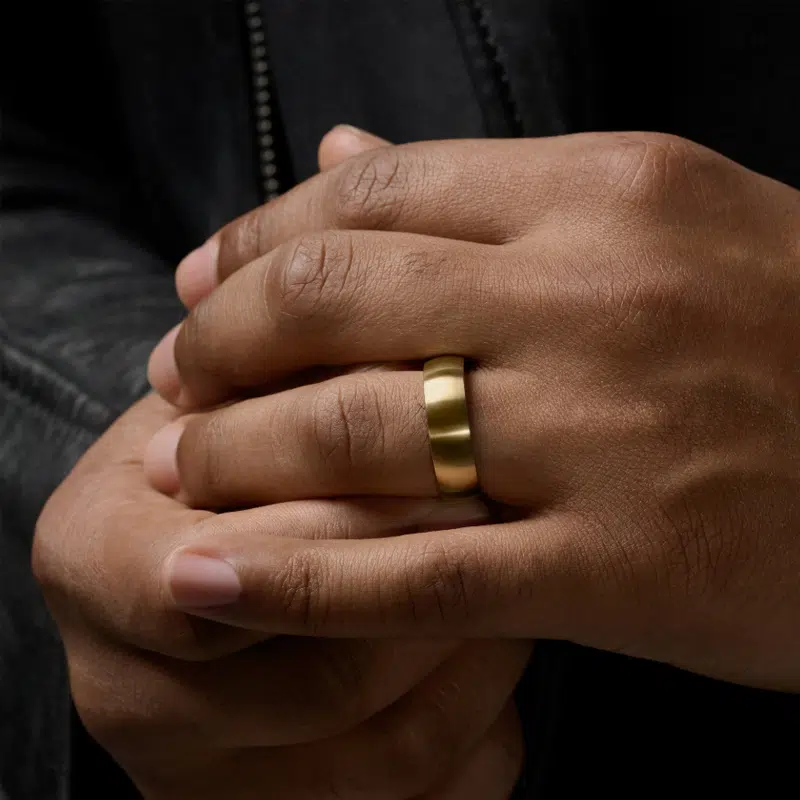
14K PVD creates a pale, warm champagne gold finish that feels refined instead of gaudy, eliminating the yellow costume jewelry look that turns so many customers off.
The 14K PVD finish is made from a mixture of titanium and zirconium at a high ratio and reduced nitrous gas flow, giving it its soft, cool tonal quality. This creates the most economical TiN finish for high-volume production because it consumes very little gas, which lowers the overall price per unit as the production volume increases.
This finish fits in with the market because it appeals to minimalist brands, Clean Girl aesthetic lines, and brands targeting Gen Z and Millennial consumers.
18K Gold PVD — The Premium Classic
A rich yellow, golden appearance, the 18K PVD finish has an appearance that is not only photographable but also reads like true luxury vs. imitation.
This rich gold color was created using zirconium targets with precise nitrogen saturation, resulting in the warm, buttery gold tones that people associate with high-end gold jewelry (the best-in class). Because of the way in which the finish is consistently created across large batch sizes, the 18K PVD finish has become the global industry standard for brands in the mid to high-end price ranges everywhere.
As a result, the 18K PVD finish is the safest option for e-commerce brands, as it performs equally well when displayed under studio and natural lighting conditions.
24K Gold PVD — The Bold & Traditional
The PVD finish using 24K gold provides a brilliantly vibrant high-gloss finish with a saturated saffron yellow gold color that will pop on the skin, no matter what your skin tone is.
To achieve this level of depth of color in the PVD (physical vapor deposited) process, a custom-blended gas mixture of nitrogen and acetylene must be used. The acetylene gas adds carbon to the chemical reaction, which moves the color further towards the orange-yellow saturated color of pure gold. It’s technically one of the more demanding finishes to produce consistently; therefore, consistency from batch to batch is extremely important for this finish color.
Traditionally, demand has been driven by the South Asian and Middle Eastern cultures due to the strong cultural heritage associated with the color of deep gold. In addition, deep gold has become a trend in urban and street style jewelry.
Expanding the Palette: Beyond Traditional Yellow Gold
Rose Gold & Copper Tones (TiCN)
Adding carbon into the gas mixture for the physical vapor deposition (PVD) process causes the formation of TiCN, which is a relatively pinkish-copper-red coating that is commonly known as rose gold by the market.
Traditional rose gold electroplating wears off and tarnishes within a few months because there is a certain percentage of copper in the alloy that oxidizes with moisture and air. TiCN does not exhibit this weakness. The color fastness is because the carbon-nitride bond is inert to sweat and skin. Making it a viable candidate for what is rose gold jewelry that will remain intact.
Deep Black & Gunmetal (TiAlN / TiCN)
Adding incorporation of aluminum to the titanium nitride compound results in TiAlN – the reference in matte black and gunmetal dark colors.
Coatings like this are much harder-wearing than black epoxy paint and typical black plating. Scratch resistance is one of the main advantages. Punk jewelry brands and “stealth luxury” choose black TiAlN because it stays looking sharp during everyday wear.
Vibrant Interference Colors
Blues and violets, as well as the whole rainbow color effects, are done by the deposition process when the thickness of the oxide film is controlled. These colors are not products of dyes or pigments. However, it is the physical effect of light waves traveling through a very thin layer of oxide sitting on the surface of a metal.
This technique requires very precise gas timing and chamber pressure control. Results are impressive and in line with current trends; interference finishes reflect the latest trend in jewelry for iridescence and holographic effects in big, bold statements.
Why Color Longevity Matters for Jewelry Brands
Reducing Return Rates
TiN coatings reach a hardness level of over 2,000 Vickers, which is much more than that of ordinary tool steels. While the average hardness of regular gold electroplating is 200 to 400 HV.
This hardness gap prevents the TiN coating from fading when rubbing against clothes, surfaces, and skin. With fewer complaints of fading, there will be fewer returns, and the question of how long PVD jewelry lasts becomes the selling point.
Hypoallergenic
Biologically inert, TiN has no reaction with body fluids (such as sweat and blood) or tissues (skin and body)—making it an excellent material to use for collections of nickel-free jewelry. Because stainless steel has hypoallergenic properties, it is also a good material to use when designing jewelry. With TiN coating, customers with sensitive skin will be able to wear these types of jewelry on a daily basis without causing any irritation to their skin.
Marketing the “Gym-to-Shower” Narrative
One of the major reasons for using TiN-coated stainless steel for jewelry is that the coatings are resistant to water, perspiration, or rust. This is the primary technical justification for manufacturers claiming that their jewelry is “life-proof” or can be worn every day in the water or shower. Customers can take a shower, swim, or work out without having to remove their jewelry.
Profit Margins
PVD coating is not an expensive addition on a per-unit basis at bulk production quantities. It costs very little compared to the costs of replacing tarnished inventory or the expense of returns.
Standard electroplated items usually have a life span of 3-12 months. TiN-coated jewelry pieces generally last 3-5 years with no fading in color—therefore reducing your customer service expenses.
Choosing the Right Color for Your Niche
| Brand Type | Recommended TiN Color | Why It Works |
| Minimalist / Clean Girl | 14K Champagne Gold | Subtle, refined, pairs well with layered looks |
| Streetwear / Urban | 24K Deep Gold + High-Gloss Black | Bold visual impact, culturally relevant |
| Bridal / Timeless | 18K Yellow + Rose Gold (TiCN) | Classic look, consistent across bulk orders |
| Trend-Forward / Statement | Interference Blues, Purples, Rainbow | Unique, photography-ready, high social media appeal |
Conclusion
TiN-based PVD coating is no longer a luxury product but a standard coating for any jewelry brand that wants to be taken seriously and avoid high return rates.
With colors ranging from the classic gold to rose, unbeatable durability, and hypoallergenic properties, it’s the ultimate answer to solving the issue of high return rates and building customer loyalty.
Send an inquiry to OOTB Jewelry, and our team will help you match the right TiN coating color to your brand.

 English
  French
  Spanish
  German
  Russian
  Turkish
  Portuguese