Introduction
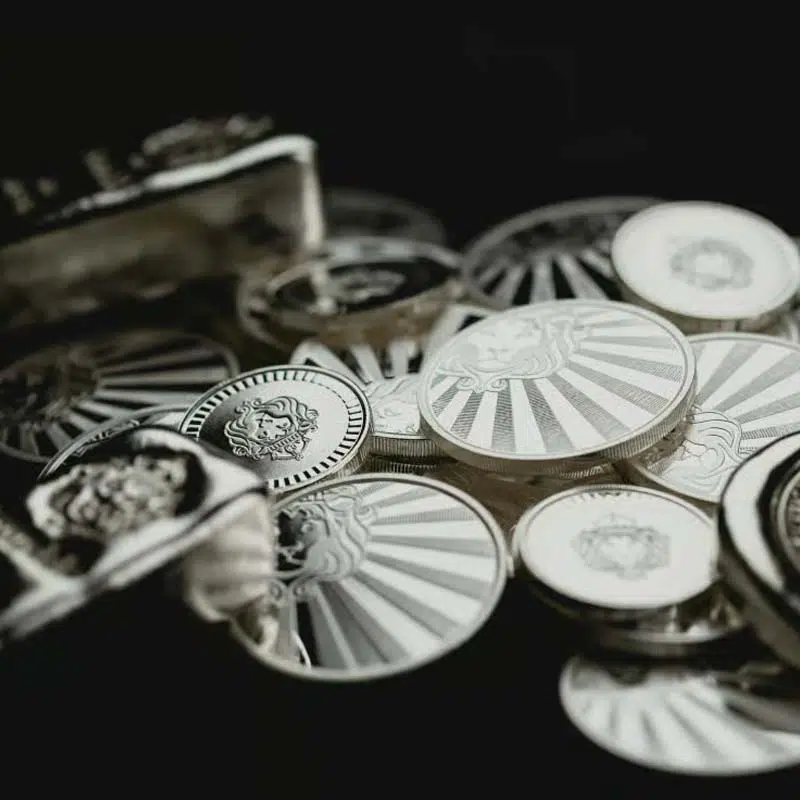
There are different types of silver for lots of different jobs. Some silver is very pure but bendable and some silver is mixed with other metals to make it stronger. This guide will help explain the types of silver generally and the types of silver used to make jewelry and give you understanding of what you are buying or using.
History of Silver
People first found silver around 3000 BC in what we call ancient Turkey.
Ancient peoples used silver to make coins, adornments, and decorative objects. They soon discovered that pure silver was too soft for everyday use so they began to use other metals to increase its strength.
The Romans began blending silver with copper to produce what we now refer to as sterling silver. The Romans used this method of making coins out of silver to make them last longer. This process of blending silver with other metals continued across and around the world and became the norm in making silver jewelry.
Why Silver is So Useful
1. Electricity Flows Through It With Ease: Silver is the best metal for conducting electricity. That’s why it’s in some batteries, phones, computers, and solar panels – it helps the electricity get where it needs to go.
2. It Keeps Germs in Check: Tiny bits of silver (silver ions) can inhibit the growth of bacteria and other germs. Hospitals may use silver-coated dressings for burns. Additionally, you might find silver in socks to fight stinky feet or even in water filters.
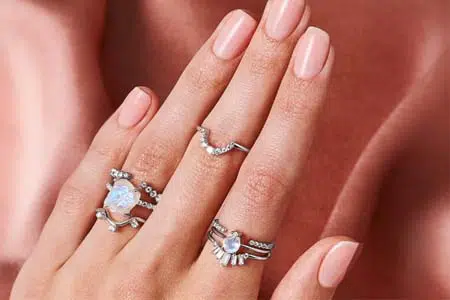
3. We Make Beautiful Stuff With It (Jewelry!): This is the most common use most people will know. Silver has a great lustrous finish and is a perfect metal for rings, necklaces, bracelets, earrings and decorative items. The only problem is that pure silver is too soft to be commonly used for jewelry or objects, so we alloy it with other metals to harden it. This is where the different “types” of silver come in.
Silver Alloys vs Pure Silver – What You Need to Know
Pure silver or fine silver is made up of 99.9% silver, with very little additional metals. However, pure silver has challenges as a jewelry metal:
- It is too soft and is easily bent.
- It will scratch with normal use.
- It is expensive to purchase.
- It can be difficult to set gemstones.
Silver alloys are made up of pure silver and small amounts of other metals. The most commonly added metals include:
- Copper: Increases the hardness of the silver
- Germanium: Reduces tarnishing and increases the strength of the silver
- Zinc: Sometimes used in small amounts for color
Silver alloys cost less to purchase than pure silver and are much more useable for jewelry making. Most of the silver jewelry you see available in stores are alloys not pure silver.
What Types of Silver Are Good for Jewelry?
Fine Silver (99.9% Pure)
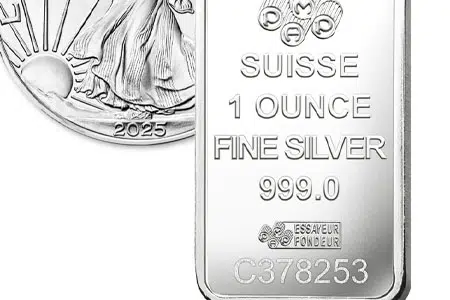
Fine silver contains 99.9% pure silver with only tiny amounts of other metals. It’s the closest thing to pure silver you can buy for jewelry.
Pros:
- Never causes allergic reactions
- Doesn’t tarnish or turn black
- Has a bright, white color
- Easy to work with for detailed designs
Cons:
- Very soft and scratches easily
- Bends out of shape with normal wear
- Costs more than silver alloys
- Hard to set gemstones securely
Best uses: I’ve worked with fine silver for over 10 years, and it’s perfect for earrings and pendants. This is because these pieces don’t get bumped around like rings or bracelets. Fine silver also works well for chain components because the softness lets links move smoothly. It’s also great for people with metal allergies who can’t wear sterling silver. I made my wife a pair of fine silver earrings in 2018, and they still look brand new, no allergies ever.
Sterling Silver
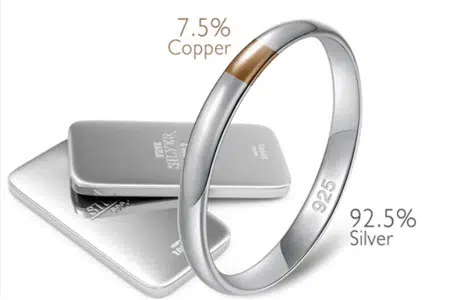
Sterling silver doesn’t mean it’s 100% silver, it contains 7.5% copper, and other 92.5% is silver, so it be called as 925 silver. This is the most common type of silver for jewelry worldwide.
Pros:
- No allergic reactions
- Will not tarnish or turn black
- Bright white
- Very easy to work with for detailed designs
Cons:
- Very soft and scratches easy
- Bends out of shape with normal wear
- More expensive than silver alloys
- More difficult to secure stones when setting
Best uses: I recommend sterling silver for rings, bracelets, and necklaces that get worn often. The copper makes it hard enough to hold its shape when you bump it against things.
In my workshop, I use sterling silver for about 80% of my custom jewelry projects. It’s strong enough to hold diamonds and other gemstones securely. I made a sterling silver wedding ring in 2019 that still looks great after daily wear.
Argentium Silver (93.5% Silver, 6.5% Germanium)
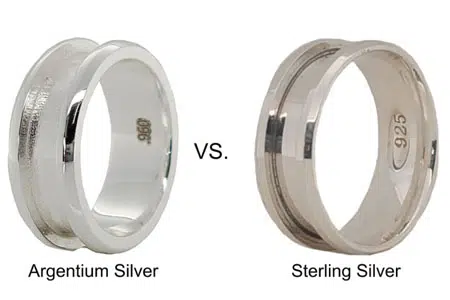
Argentium silver is a modern alloy that uses germanium instead of copper. It contains 93.5% silver and 6.5% germanium.
Pros:
- Tarnishes less than sterling silver
- Rarely causes allergic reactions
- Tougher and more durable than sterling
- Longer white and bright
- Can be heat-hardened for additional strength
Cons:
- Costs more than sterling silver
- Harder to find in stores
- Some jewelry makers don’t know silver nickel
- Can be difficult to solder and repair
Best uses: I started using Argentium silver in 2020 for customers who wanted low-maintenance jewelry. It’s perfect for people who don’t want to polish their jewelry regularly.
The tarnish resistance makes it ideal for wedding rings and daily-wear pieces. I made an Argentium silver bracelet for a nurse who washes her hands constantly. After two years, it still looks almost new.
Britannia Silver (95.8% Silver)
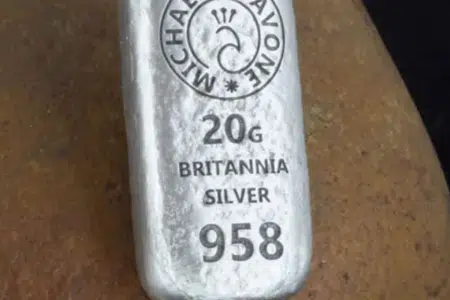
Britannia silver, which is 95.8% silver and 4.2% copper, was established in England in 1697 and is currently used for high-end items.
Pros:
- Higher purity than sterling silver
- Beautiful bright white color
- Good for detailed engraving
- Prestigious and traditional
Cons:
- Softer than sterling silver
- More expensive than sterling
- Can be harder to find
- May bend or dent more easily
Best uses: I often use Britannia silver for commemorative pieces that won’t be worn every day, along with decorative jewelry. The silver content and therefore, the whiter appearance, was substantially whiter than sterling.
It is also good for heirloom pieces, award jewelry, and special occasion jewelry. One client made a Britannia silver pendant for a 50th anniversary gift, and the extra purity made it feel extra special.
Other Types of Silver
Besides the main jewelry types, you might hear about these:
Coin Silver
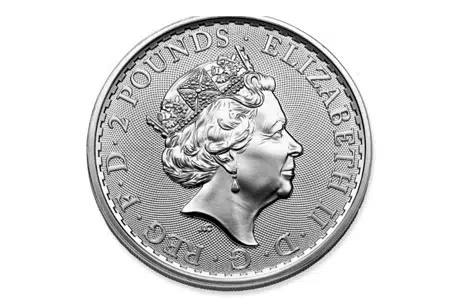
What it is: Usually around 90% silver (90 parts silver, 10 parts copper). Stamped “.900”.
Why the name? Long ago, many countries used this mix to make their coins. It was strong enough for coins passing through many hands. It’s not common for new jewelry today but you might find it in antique pieces.
Silver-Filled
What it is: Not solid silver alloy. A thick layer of Sterling Silver (usually 5% or 10% of the item’s total weight) is permanently bonded to a core of brass using heat and pressure. Must be at least 5% Sterling Silver by weight.
Good Things:
- Costs much less than solid Sterling Silver.
- The silver layer is much thicker than plating, so it lasts longer and wears better.
- Looks like solid silver.
Not-So-Good Things:
- Still not solid silver. If you wear through the thick layer (takes a long time), you see the brass underneath.
- Cannot be stamped “925”.
Best For: A good budget-friendly option for chains, clasps, or sturdy jewelry components where cost matters.
Silver Plated
What it is: A very thin layer of silver (could be pure or Sterling) is put onto the surface of a cheaper metal (like copper or brass) using electricity (electroplating).
Good Things:
- Very, very cheap.
- Looks shiny and silver when new.
Not-So-Good Things:
- The thin silver layer tarnishes quickly.
- It wears off easily with regular use, showing the dull metal underneath.
- Cannot be polished much without removing the silver layer.
Best For: Costume jewelry, decorations, or items you don’t plan to wear often or keep for a long time. Not for heirlooms or daily rings.
How to Test Silver Quality
Visual Inspection for Quality Marks and Stamps
Look for these marks in hidden spots like the inside of rings, backs of pendants, or clasps of necklaces. Use a magnifying glass if the marks are small.
Real silver jewelry has stamps or markings that tell you the purity:
- 925 or Sterling: 92.5% silver
- 958 or Britannia: 95.8% silver
- 999 or Fine: 99.9% silver
- 900: 90% silver (coin silver)
Magnet Test (Simple Check):
Real silver is not magnetic. If a magnet sticks strongly, it’s definitely not real silver. (Note: Some clasps might be steel, but the main piece shouldn’t attract a magnet).
X-ray Testing (Non-Destructive Professional Method)
Professional jewelers and pawn shops use X-ray fluorescence (XRF) machines to test silver without damaging it. The machine shoots X-rays at the metal and measures what bounces back.
This method tells you the exact percentage of silver and other metals in seconds. It works through thin plating, so it can detect silver-plated items.
Professional assay testing
Acid testing uses small drops of nitric acid to test silver purity. This method requires removing a tiny amount of metal, usually from a hidden spot.
How it works:
1. File a small notch in the silver
2. Apply acid testing solution
3. Watch the color change
4. Compare to a color chart
Different silver purities create different colored reactions. This method is very accurate but requires some skill to do safely.
Best Type of Silver for Jewelry Shaping Projects?
Choosing the right silver depends on what you are making and how you shape it (like hammering, bending, or soldering):
Fine Silver (999):
- Shaping: Very soft and easy to bend, hammer, and shape. Great for beginners learning to form metal.
- Best Projects: Perfect for making the little walls (bezels) that hold stones because it’s so soft and smooth. Also good for simple, thin earrings or pendants that don’t need to be super strong. I use it for delicate wire work.
Sterling Silver (925):
- Shaping: Stronger and needs more effort to bend or hammer. Holds its shape well once formed. Easy to solder (join with heat).
- Best Projects: The best all-rounder! Ideal for rings, bracelets, bangles, chains, clasps, and most jewelry that needs strength. Perfect for pieces with stones set in prongs or complex links. Most jewelry classes teach with Sterling.
Argentium Silver (935/960):
- Shaping: Strong and holds its shape well. It flows differently when melting (soldering) – it needs slightly less heat and flows very smoothly. It’s a joy to solder! Can also be hardened with heat treatment.
- Best Projects: Excellent for intricate designs because it solders so cleanly. Fantastic for rings and bracelets meant for daily wear due to its strength and tarnish resistance. Great for people with metal sensitivity.
Final Thoughts
Different silver types serve different purposes, and the best choice depends on your needs and budget. Sterling silver (92.5%) works well for most people because it balances durability, cost, and appearance.
If you want to DIY your jewelry by silver, contact OOTB to get solutions and quotation.
FAQs:
1. Do you know silver grades?
Silver purity grades are usually engraved as a three-number mark, for example “925”. This means the piece is 925 parts out of 1000 pure silver (or 92.5%). “999” is 99.9% pure silver. “958” is 95.8% silver. The higher the number, the more pure silver.
2. What is the most durable silver?
If you want jewelry that can hold up to daily wear and not bend and scratch too easily, Sterling Silver (925) is durable and is the most common grade. Argentium silver is more resistant to tarnish than traditional Sterling and moderately harder too, so it is a very good option. Especially for rings. Fine Silver is pure, but too soft to be durable for most rings or bracelets.
Related Resouces:
1. Silver Characteristics – Wikipedia
2. Silver Standard – Wikipedia
3. Determination of silver -ISO
 English
  French
  Spanish
  German
  Russian
  Turkish
  Portuguese