

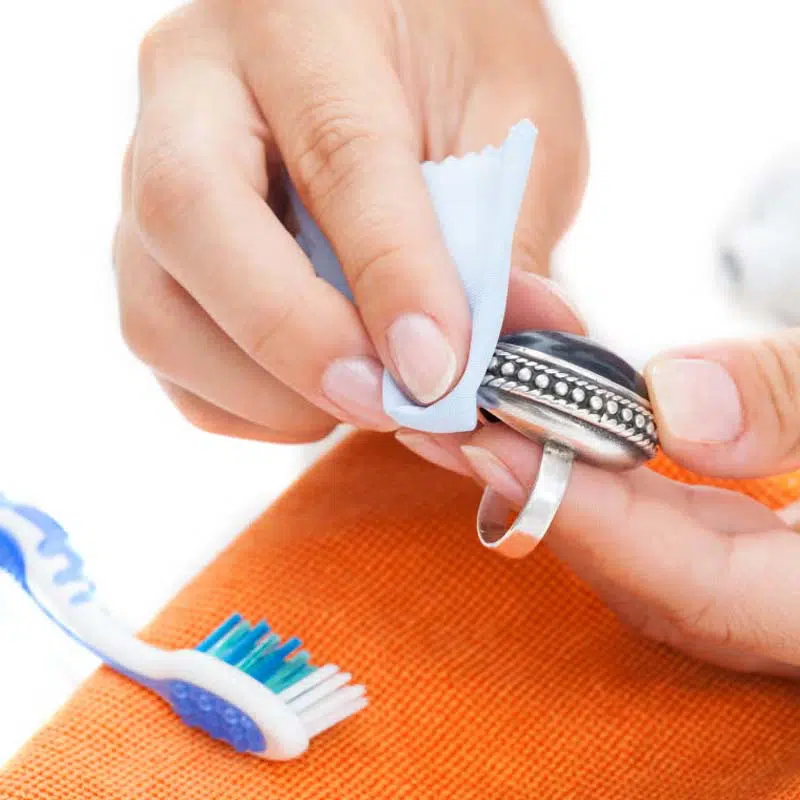
Did you find that your silver jewelry turns black and loses its shine? This guide will tell you why and how to stop silver from tarnishing, and ways to solve it if it happens.
What Causes Silver to Tarnish
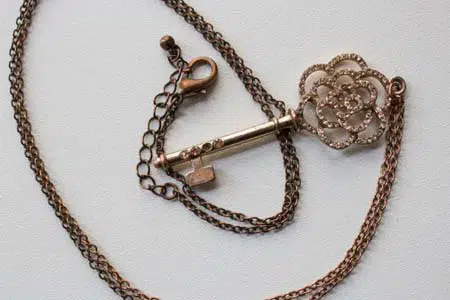
Silver turns black because it reacts with sulfur gases floating in the air. This creates a compound called silver sulfide on the surface of your jewelry or silverware.
The tarnish starts as a light grey color, then turns yellow, and finally becomes black if left untreated. Think of it like rust on iron, but instead of oxygen causing the problem, it’s sulfur.
These sulfur gases have several common sources:
- Car emissions
- Industrial contamination
- Natural decomposition of organic matter
- Rubber stuff
- Cloth of wool
- Some cleaning goods
Because moisture accelerates the chemical reaction, it goes faster in humid surroundings. Silver kept in dry spaces corrodes slower than silver stored in humid basements or bathrooms.
How to Stop Silver from Tarnishing: 7 Proven Ways to Prevent It
1. Clean Your Silver Regularly
When I inherited my grandmother’s silver tea set, customer Aggie said, I learnt this lesson the tough way. Having left it uncleaned for months, the tarnish was so severe it took hours to get rid of.
You can frequently clean it following these procedures to prevent it:
- Rinse silver right after every usage.
- Warm water with a few drops of gentle dish soap should be used.
- Gently wash with your hands or a soft cloth.
- Dry silver totally with a clean towel; never let it air dry.
- Never utilize abrasive brushes, bleach, or strong cleansers.
The secret is to stop accumulation. Removal becomes much more challenging once tarnish accumulates. Regular cleaning stops the sulfur compounds from bonding strongly to the silver surface.
2. Store Silver Properly
Proper storage can slow down tarnishing by up to 80%. The aim is to keep sulfur gases away from your silver.
Best storage ways are:
- Store silver in sealed plastic containers or bags.
- Make certain silver is absolutely dry before storing.
- Include antitarnish strips in your storage containers.
- Put a chunk of white school chalk in the bag (sulfur and moisture absorbing)
- Store silver using tarnish-resistant pouches made exactly for it
Separate ziplock bags with antitarnish strips hold my silver jewelry. After two years, pieces I rarely wear still look nearly new.
3. Keep Silver Away from Harmful Materials
Some everyday items produce sulfur compounds that speed up tarnishing. Keeping your silver away from these materials makes a huge difference.
Materials to avoid:
- Rubber bands and rubber mats
- Wool clothing and blankets
- Newspapers (the ink contains sulfur compounds)
- Cardboard boxes
- Certain plastics that smell like rubber
- Latex gloves
Keep silver apart from these goods. Should you have to keep them close, be certain your silver is in airtight containers.
4. Remove Silver Before Certain Activities
I used to carry my silver rings everywhere until I saw my necklaces rusted much more quickly. Daily activities exposed the perpetrator to moisture and chemicals.
When to remove silver jewelry:
- Before getting ready to shower or bathe
- Before swimming (chlorine is particularly toxic).
- While using cleaning chemicals
- Before putting hairspray, fragrances, or lotions
- When exercising or participating in activities causing severe perspiration
- When cooking with sulfur-rich foods like eggs or onions
Silver-reacting substances can be found in body products, even if they are safe products. Over time, even silver can lead to issues.
5. Apply Protective Coatings
You can create a barrier between your silver and the atmosphere, which is called a thin protective layer. Jewelry not often worn benefits from this approach.
Coating options:
- Clear nail polish (reapply every 6-12 months)
- Commercial silver protectant sprays
- Paste wax designed for silver
- Lacquer specifically made for metals
Apply thin, consistent coats. Wait for each coat to dry completely before applying another. Decorative items rather than items you touch on daily basis benefit most from this approach.
6. Wear Your Silver Often
Wearing silver jewelry frequently shields it, which may sound backward. The natural oils your skin produces act as a barrier, delaying deterioration.
It remained bright and glossy with little maintenance when I began wearing my silver bracelet every day rather than saving it for special events. The constant contact with skin oils and gentle rubbing against clothing polishes the surface naturally.
7. Control Storage Environment
Temperature and humidity directly affect how fast silver tarnishes. Silver should not be stored in high-humidity environments like basements and restrooms.
Ideal storage conditions:
- Temperature: 60-70°F (15-21°C)
- Humidity: Below 50%
- Away from direct sunlight
- Good air circulation (but not drafty)
- Away from heat sources like radiators
If storage areas have humidity issues, use a dehumidifier. Additionally absorbing extra moisture from storage containers are silica gel packets.
How to Remove Tarnish from Silver
Polishing Method
Silver polishing cloths are the safest way to remove light tarnish. These cloths contain mild abrasives and anti-tarnish compounds.
Step-by-step polishing:
- Use a silver polishing cloth or microfiber cloth made for silver
- Rub gently in straight lines, not circles
- Work on small sections at a time
- Turn the cloth frequently to use clean areas
- Buff with a clean section of cloth when finished
Never use regular paper towels or tissues – they can scratch silver surfaces.
DIY Tarnish Removal
For heavily tarnished silver, you can make an effective cleaner at home using items from your kitchen.
Baking soda and aluminum foil method:
- Line a bowl with aluminum foil, shiny side up
- Add 1 tablespoon of baking soda per cup of hot water
- Place tarnished silver on the foil
- Make sure silver touches the aluminum
- Let sit for 5-15 minutes depending on tarnish level
- Remove and rinse with clean water
- Dry immediately with a soft cloth
This method uses a chemical reaction to remove tarnish without harsh scrubbing. The aluminum pulls sulfur away from the silver surface.
Commercial tarnish removers also work well but follow the manufacturer’s instructions carefully. Some are too harsh for delicate pieces.
Following years of testing several storage techniques, the following are the most effective means of protection:
| Storage Solution | Cost | Effectiveness | Best For |
| Anti-tarnish pouches | $2-5 each | Excellent | Individual jewelry pieces |
| Ziplock bags + chalk | Under $1 | Very good | Budget-friendly option |
| Silver storage rolls | $15-30 | Excellent | Flatware and serving pieces |
| Airtight containers + strips | $10-20 | Very good | Multiple small items |
Anti-tarnish pouches for prized items and ziplock bags filled with chalk for daily jewelry are my first suggestion. This combination helps you to protect yourself to a professional standard without going over your budget.
When to Seek Professional Help
Sometimes tarnish gets too bad for home treatment, or your silverware is too valuable to risk damage.
Signs you need professional cleaning:
- Tarnish won’t come off with gentle methods
- Silver has deep scratches or damage
- Antique or heirloom pieces with intricate details
- Silver-plated items (more delicate than solid silver)
- Valuable jewelry with gemstones
Professional jewelers have ultrasonic cleaners and unique chemicals that can properly restore heavily tarnished silver. Usually between $1030 per piece, the price varies on size and condition.
Conclusion:
Now, you can see it’s easy to prevent your silver from tarnishing; just take some time, and your silver can stay beautiful for a long time. Even if it loses shine, you have a way to solve it.
Related Resources:
1. Tarnishing Chemistry and Prevention – Wikipedia


 English
  French
  Spanish
  German
  Russian
  Turkish
  Portuguese